Security researchers document exchange server vulnerabilities, npm supply chain attacks, and cloud infrastructure compromise patterns.
- Exchange server zero-day vulnerability reported under active exploitation
- npm ecosystem targeted by worm spreading through package dependencies
- Fake AI repository used to distribute credential stealing malware
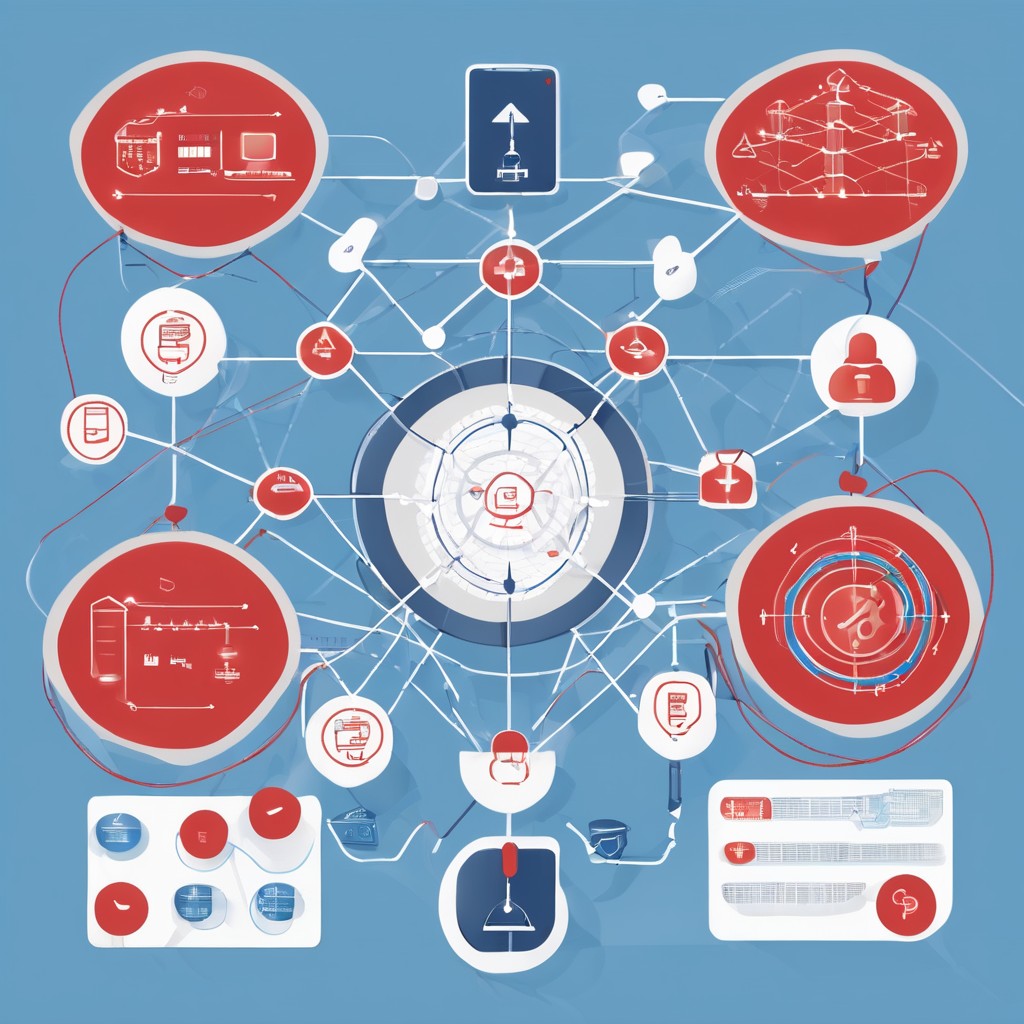
Security researchers have documented a series of interconnected attack patterns affecting enterprise infrastructure, highlighting vulnerabilities across email servers, software supply chains, and cloud platforms.
A zero-day vulnerability in Microsoft Exchange servers is reportedly under active exploitation, according to The Hacker News. The mail server flaw represents an ongoing threat to enterprise email infrastructure.
Simultaneously, the npm package ecosystem has been targeted by a worm that spreads through software dependencies. The attack demonstrates how compromised packages can propagate malicious code through the software supply chain, affecting multiple downstream applications.
Researchers also identified a fake artificial intelligence repository designed to distribute credential-stealing malware. The malicious repository was crafted to appear legitimate while delivering payload designed to harvest user credentials.
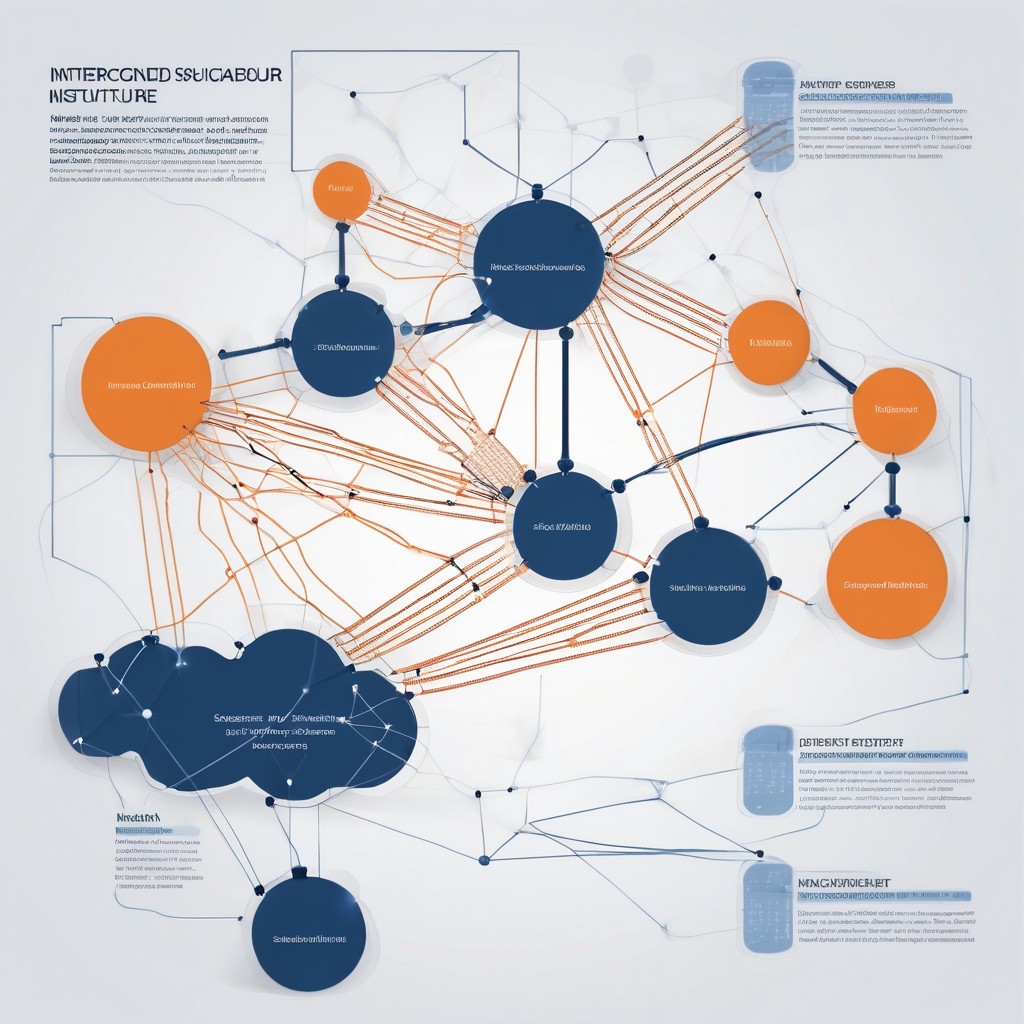
The security incidents follow a common attack progression, according to the research. Attackers exploit weak dependencies to extract authentication keys, which then provide access to cloud infrastructure. Once established in cloud environments, attackers can pivot to production systems.
A network control system was also reportedly targeted during the same timeframe, though specific details about the attack vector remain limited. The targeting of industrial control systems represents an escalation in the scope of infrastructure under threat.
The pattern of attacks demonstrates the interconnected nature of modern enterprise security risks, where a single compromised dependency can cascade through multiple systems and environments.
Why It Matters
These incidents illustrate the compound risk facing enterprise security teams, where vulnerabilities in one system can cascade across multiple infrastructure components. For CISOs, this highlights the need for comprehensive dependency monitoring and supply chain security controls.
The progression from dependency compromise to cloud access to production systems represents a common attack path that requires defence in depth strategies across the entire technology stack.
What To Do Now
- Review dependency scanning and software supply chain security controls based on the npm worm attack patterns
- Assess Exchange server patching status and monitoring capabilities given the active zero-day exploitation
- Evaluate cloud access controls and key management practices to prevent lateral movement from compromised dependencies